
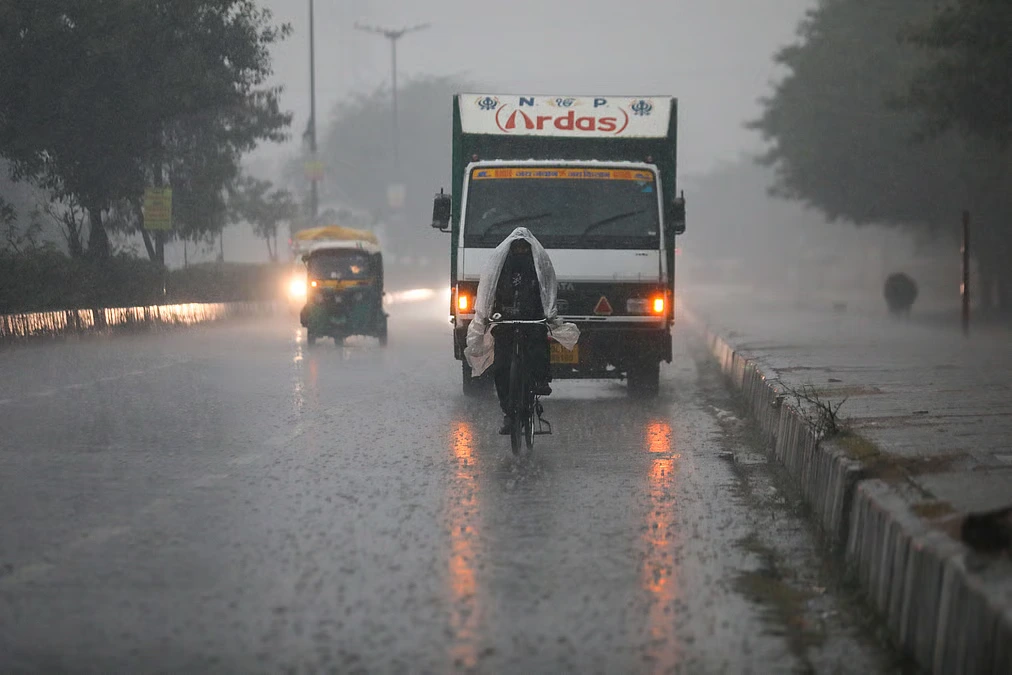
Delhi concluded July with its worst average air quality in six years, creating a stark environmental paradox in a month that also delivered a rare “good” air quality day.
Data from the Central Pollution Control Board (CPCB) reveals that the national capital recorded an average Air QualThe Cleanest Day: Heavy downpours mid-month settled suspended pollutants, allowing Delhi to log an AQI of 48 on July 9. This was the city’s first “good” air day in July in nine years and the lowest single-day reading in July since 2017.
The Dirtiest Days: The clean spell was short-lived. Between July 12 and 13, dust storms originating from Central Asia pushed the daily AQI up to 261, marking the highest daily maximum recorded in July in five years.The surge in monthly pollution occurred despite Delhi receiving surplus rainfall. The Safdarjung weather station recorded 254.7 mm of rain—26 per cent above the monthly normal.
However, environmental experts highlight that the distribution of rainfall was the primary issue:ity Index (AQI) of 119 in July. A higher July average has been recorded only three times since CPCB began calculating AQI in 2015: in 2019 (134), 2016 (138), and 2015 (146). This marks a dramatic shift from last year’s exceptionally clean July average of 78.