
The United Arab Emirates (UAE) has announced its decision to leave the Organisation of the Petroleum Exporting Countries (OPEC). According to a report, the Gulf nation’s energy minister said the move would give the country greater flexibility in managing its oil production, freeing it from the collective obligations imposed by the group.
“This is a decision that we took after a very careful and long review of all our strategies,” UAE’s Energy Minister Suhail Al Mazrouei said. “The decision is taken at the right time in our view because it’s not going to hugely impact the market: the market is undersupplied.” He added that supply shortages linked to the conflict require faster responses to demand — something easier to achieve outside OPEC’s collective framework.
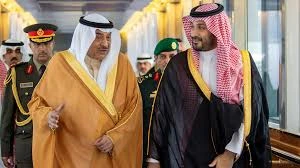
The departure follows prolonged friction with Saudi Arabia, OPEC’s de facto leader, particularly over oil production strategies and regional influence. Disagreements between the two nations have surfaced repeatedly at OPEC meetings, where the UAE pushed to increase output using its expanded capacity, while Saudi Arabia advocated for tighter supply controls to stabilise prices. These disputes had previously brought Abu Dhabi close to exiting the alliance.